Magazine · Guide
Eau de Toilette vs Eau de Parfum vs Parfum: What’s the Difference?
Eau de cologne, eau de toilette, eau de parfum, parfum or elixir: what these labels mean, how they affect longevity and which one to choose.
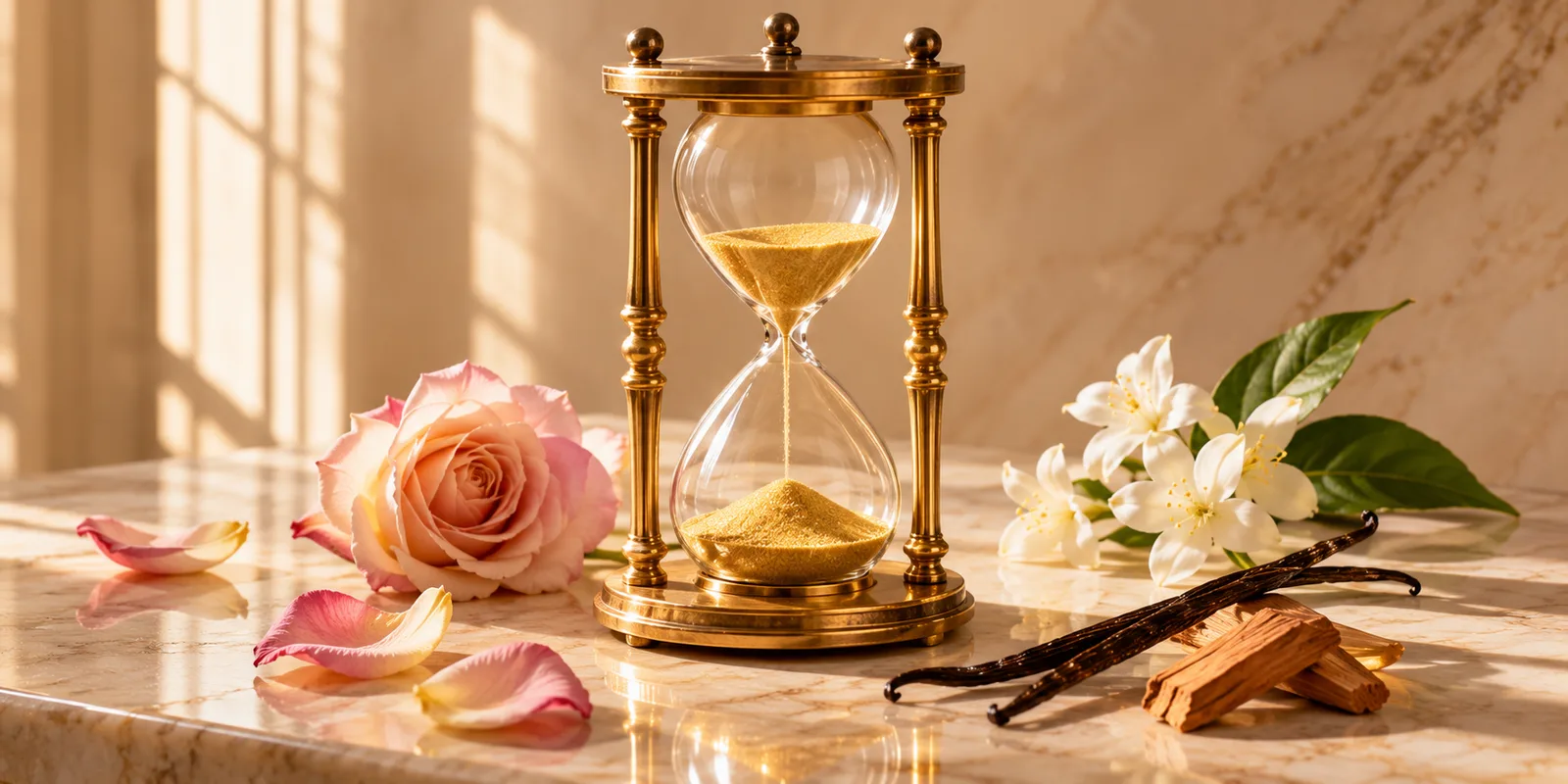
On a bottle, “eau de toilette” or “eau de parfum” is not a detail: it tells you the concentration of fragrance oils, meaning how much perfume concentrate is diluted in alcohol. It affects intensity, longevity and often price.
The percentages below are approximate: there is no strict legal standard, and each house sets its own dosages.
The main concentrations
- Eau de Cologne: about 2 to 5% concentrate. Very fresh and light, it usually lasts one to two hours.
- Eau de Toilette (EDT): about 5 to 15%. Bright and easy to wear, it often lasts three to five hours.
- Eau de Parfum (EDP): about 15 to 20%. Rounder and longer-lasting, it often lasts six to eight hours.
- Parfum or Extrait de Parfum: about 20 to 40%. The richest, most precious form, applied in small amounts.
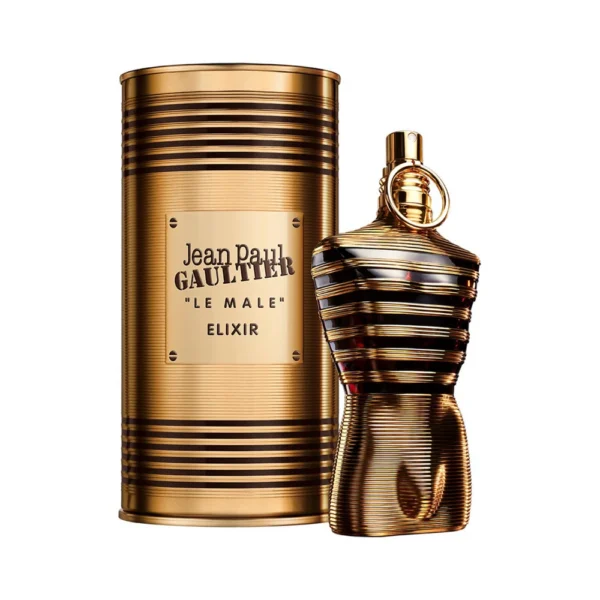
- Elixir, Intense, Absolu: these labels follow no standard. They usually mean a more concentrated or more intense version of an existing fragrance.
Same name, different scent
An eau de toilette and an eau de parfum with the same name aren’t always the same scent at different strengths: perfumers often adjust the formula. The more concentrated version usually puts more emphasis on the warmer, woodier base notes.
A few examples of flankers from our catalog:


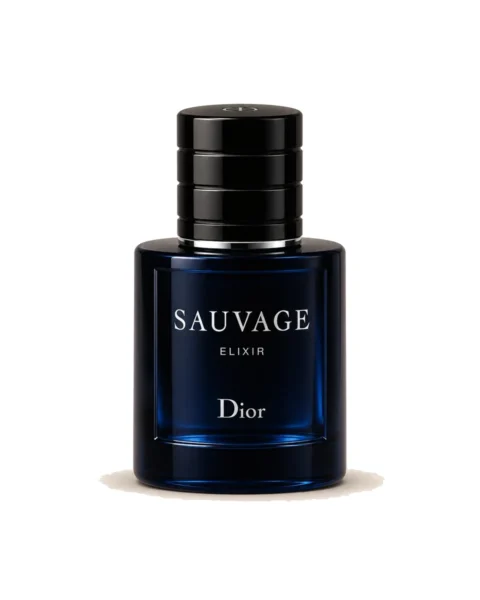

Giorgio Armani Acqua di Giò Eau de Toilette
Eau de Toilette

Giorgio Armani Acqua di Giò Profondo Eau de Parfum
Eau de Parfum


Jean Paul Gaultier Le Male Eau de Toilette
Eau de Toilette
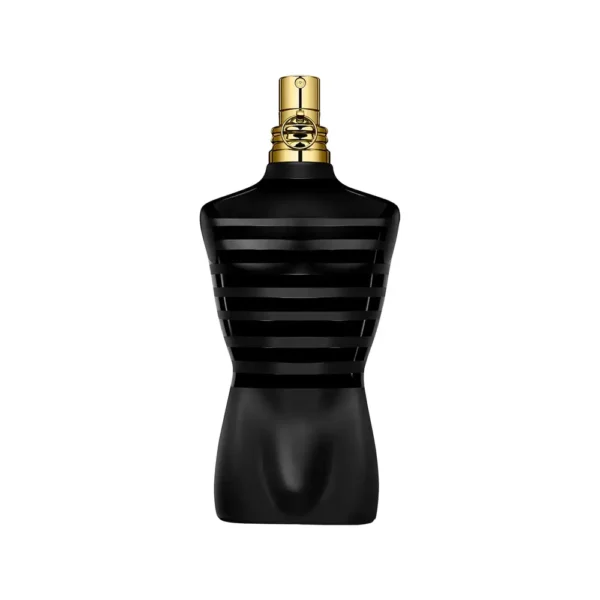
Jean Paul Gaultier Le Male Le Parfum Eau de Parfum Intense
Eau de Parfum Intense
Which one should you choose?
- For summer, the office or daytime: an eau de toilette or eau de cologne, which are lighter.
- For all-day wear: an eau de parfum.
- For evenings or winter: a parfum, extrait or elixir, used sparingly.
Concentration is only one factor: base notes like vanilla, amber or patchouli naturally last longer than citrus. A woody eau de toilette can outlast a very fresh eau de parfum.
Links to stores may be affiliate links: we may earn a commission at no extra cost to you. Prices and availability are those shown by the store at the time of purchase.
Read next

Guide · November 20, 2026
Valentine’s Day Perfumes: 10 Gift Ideas for Her and for Him
Romantic roses, sensual gourmands, elegant woody scents: our pick of fragrances to give for Valentine's Day, with tips on choosing the right one.
Guide · November 20, 2026
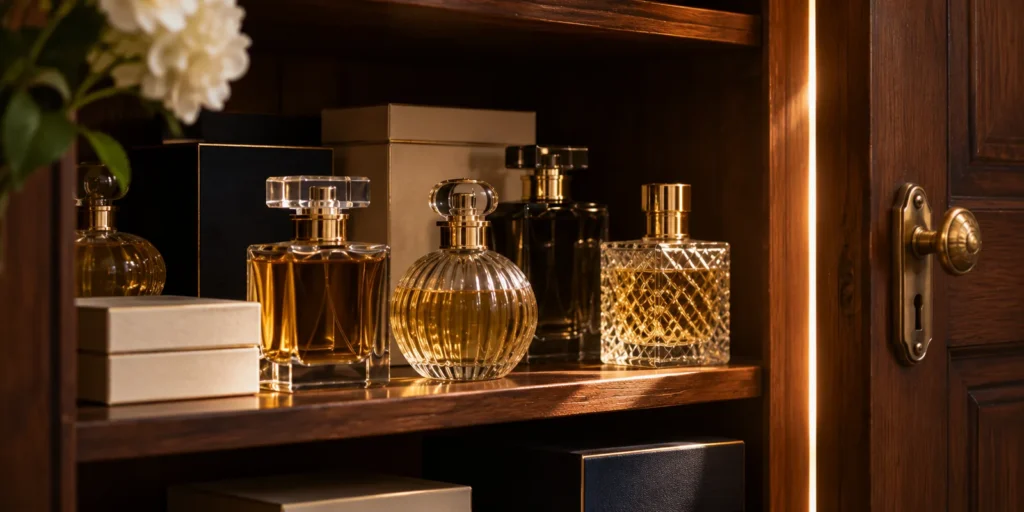
How to Store Perfume and How Long It Lasts
Light, heat, air: our tips for storing your fragrances properly, spotting a spoiled perfume and knowing how long a bottle keeps.
Guide · November 20, 2026
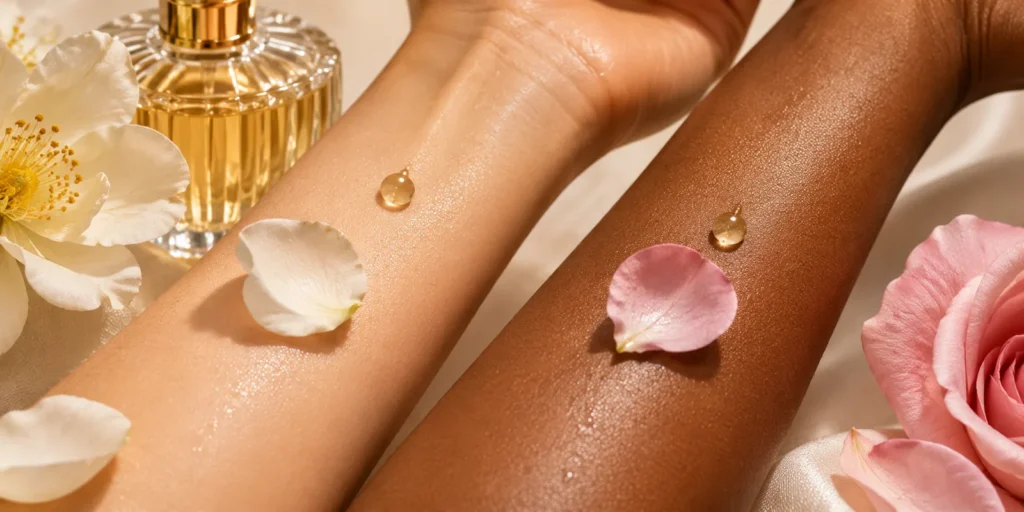
Why Perfume Smells Different on Every Skin
Skin type, temperature, diet, climate: why the same fragrance never smells quite the same from one person to another, and how to test it properly.